Purposeful Design – Plan Your Workspace Around Your Company’s Workflows

Purposeful Design – Plan Your Workspace Around Your Company’s Workflows
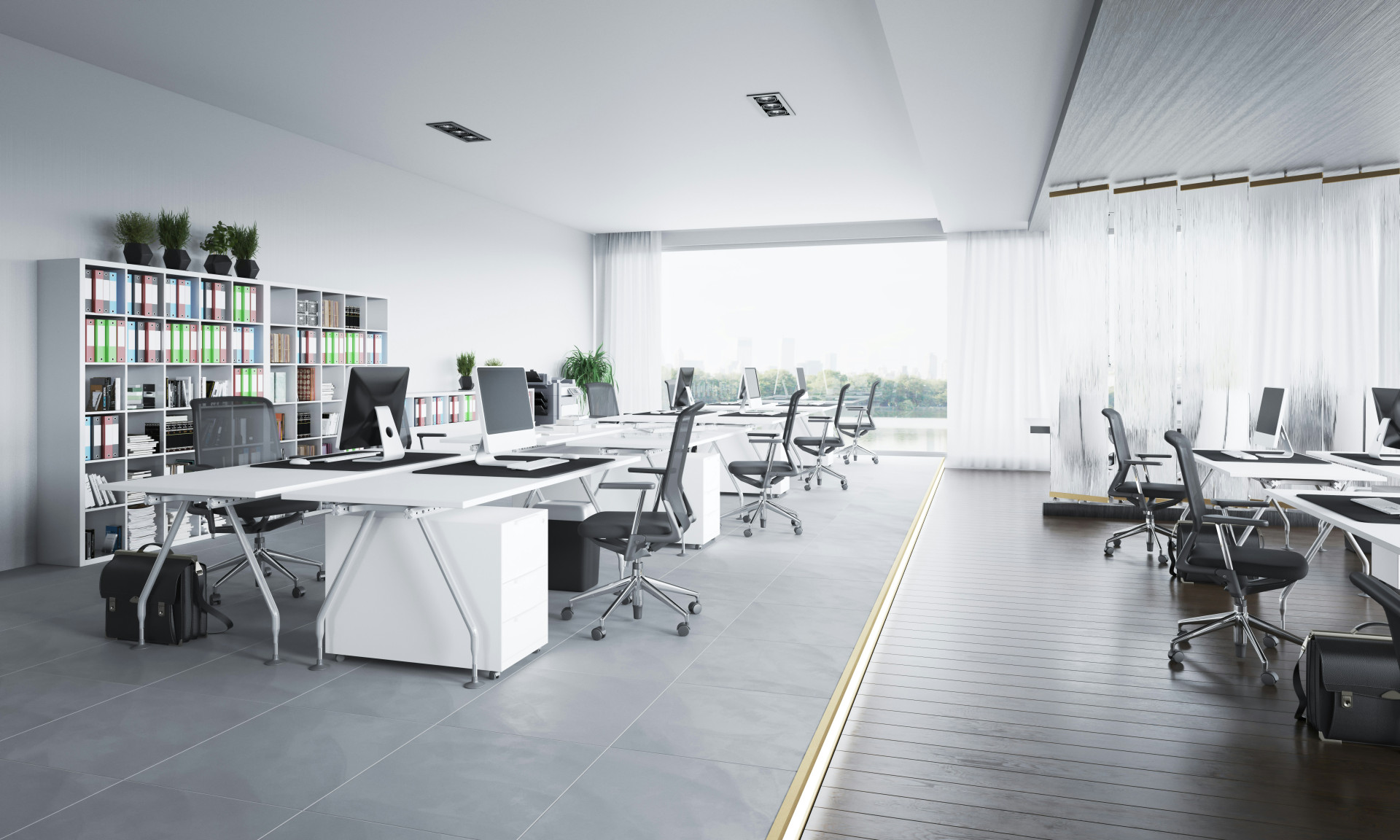
An office is more than desks, chairs, and walls. It is the stage where ideas take shape, teamwork happens, and results are created. That’s why workspace design should not only be about aesthetics but about purpose and functionality. When your office layout is planned around your company’s workflows, it can enhance productivity, well-being, and a sense of identity.
Begin by Understanding the Workflows
Before you start rearranging furniture or ordering new equipment, take time to understand how work actually happens in your organisation. What are the daily tasks? Who collaborates with whom? When is quiet focus needed, and when is teamwork essential?
Mapping workflows can reveal bottlenecks, distractions, or unnecessary movements. Perhaps team members who often collaborate sit far apart, or maybe there are too few quiet zones for concentrated work. Once you understand these patterns, you can design a workspace that supports – rather than hinders – your everyday operations.
Læs også:

Create Purposeful Zones
A modern office works best when it offers different types of spaces for different needs. Consider dividing your workspace into zones:
- Focus zones – quiet areas for deep, uninterrupted work.
- Collaboration zones – open spaces with flexible furniture that encourage discussion and idea sharing.
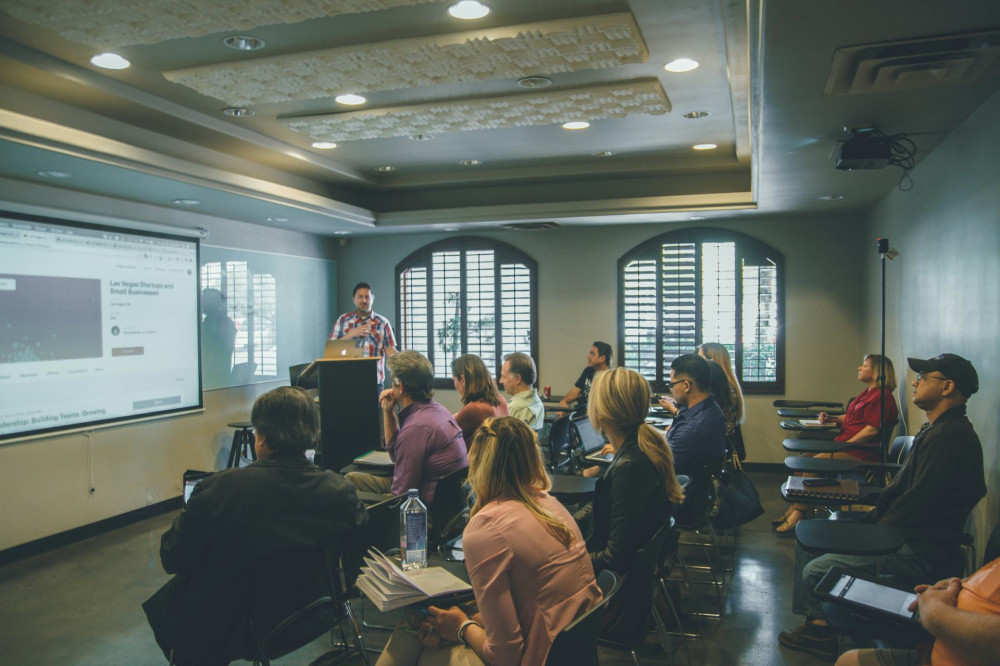
- Meeting zones – formal meeting rooms as well as small “huddle spaces” for quick conversations.
- Relaxation zones – comfortable corners where employees can take a break or have informal chats.
By creating clear zones, employees can choose the environment that best suits their task – boosting both efficiency and satisfaction.
Design as a Reflection of Culture
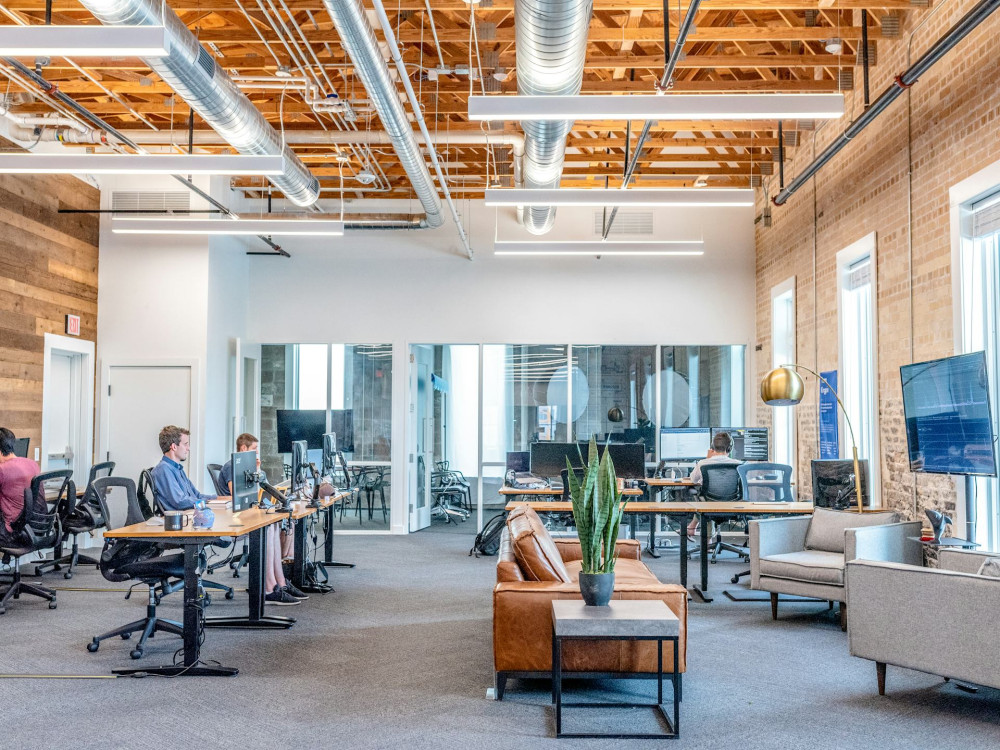
Your workspace communicates who you are as a company. A bright, open office with greenery and flexible seating sends a different message than a traditional office with fixed desks and closed doors. Think about how your design can reflect your company’s values and culture.
If innovation and collaboration are central to your identity, let that show through shared project tables, writable walls, and open meeting areas. If confidentiality and precision are key, more private rooms and subtle colours may be more appropriate.
Light, Sound, and Air – The Invisible Essentials
Even the most beautiful design can fail if the physical environment doesn’t work. Lighting, acoustics, and air quality have a major impact on comfort and performance.
- Light: Make the most of natural daylight, and add adjustable lighting so employees can adapt brightness to their tasks.
- Sound: Use sound-absorbing materials such as carpets, panels, and partitions to reduce noise.
- Air: Ensure good ventilation and temperature control – it affects concentration more than you might think.
These elements may not be visible at first glance, but they are crucial to how a workspace feels and functions day to day.
Flexibility for the Future
Work life is changing rapidly, and your workspace should be able to change with it. Flexible solutions – movable walls, modular furniture, and mobile workstations – make it easier to adapt as your company grows or your work style evolves.
Technology integration is equally important. Wireless connectivity, video conferencing screens, and easy access to power and network points in all zones enable seamless work from anywhere in the office.
Involve Your Team
The best workspace designs emerge when employees are involved in the process. They know the daily routines and challenges better than anyone. Through workshops, surveys, or pilot areas, you can gather valuable feedback before making final decisions.
When employees feel ownership of the design, engagement increases – and the new workspace becomes not just a place to work, but a place people enjoy being in.
A Workspace with Purpose
Designing a workspace is not just about style; it’s about strategy. When your layout is based on your company’s workflows, values, and people, the result is a space that both inspires and performs. A purposeful workspace is one where form and function go hand in hand – and every square foot contributes to making work better.
Læs også: