Green Logistics in the Warehouse: How to Choose Eco-Friendly Solutions for Internal Storage and Transport

Green Logistics in the Warehouse: How to Choose Eco-Friendly Solutions for Internal Storage and Transport
Green logistics is not only about reducing emissions from trucks and ships. It starts right inside the warehouse — in the daily handling, storage, and internal movement of goods. Even small changes in equipment, energy use, and workflows can make a big difference for both the environment and operational costs. This article explores how Indian businesses can choose eco-friendly solutions for their warehouses and move toward more sustainable operations.
Start by Mapping Your Warehouse Consumption
Before you can make your warehouse greener, you need to understand where resources are being used. Conduct an audit of your energy consumption, materials, and waste. How much electricity do lighting, forklifts, and cooling systems consume? How much packaging material — such as plastic wrap, cardboard, and wooden pallets — passes through your facility each week?
Once you have a clear picture, you can identify the areas with the greatest potential for improvement. In many Indian warehouses, the biggest opportunities lie in energy efficiency and packaging reduction.
Choose Energy-Efficient Technologies
Modern warehouses can save significant amounts of energy by switching to more efficient technologies.
- LED lighting with motion sensors reduces electricity use by ensuring lights are only on when needed.
- Energy-efficient chargers and lithium-ion batteries extend equipment life and minimize waste.
- Automated systems such as conveyors and robotic pickers can be programmed to operate in energy-saving modes without compromising productivity.
In India, where sunlight is abundant, installing rooftop solar panels can be a particularly effective way to offset electricity costs and reduce dependence on the grid.
Make Internal Transport Greener
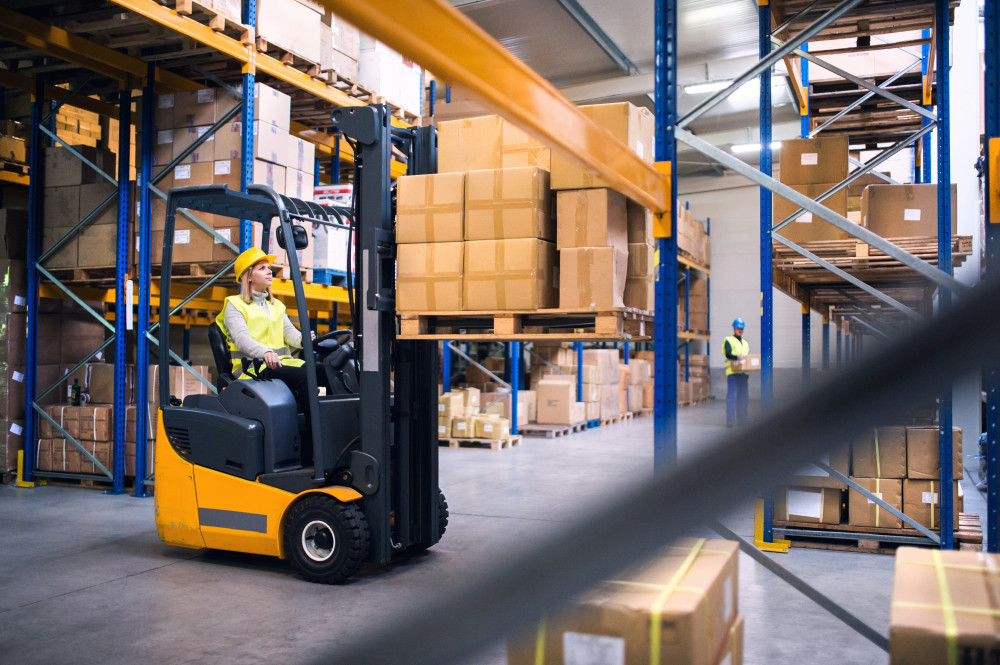
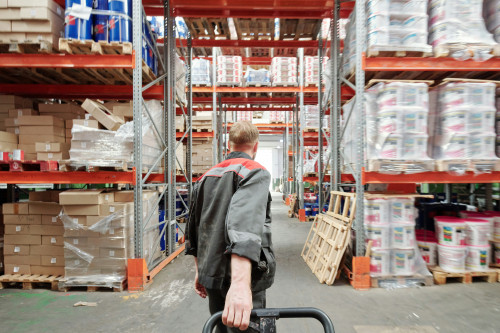
Most warehouses rely on a fleet of forklifts, pallet trucks, and small vehicles to move goods around. These are key areas for reducing environmental impact.
- Switch to electric or hydrogen-powered forklifts instead of diesel models. They produce no harmful emissions and operate more quietly.
- Optimize routes and workflows to minimize travel distances and avoid empty runs.
- Maintain equipment regularly, as proper tire pressure and lubrication reduce energy consumption.
Green internal transport is not just about technology — it’s also about smart planning. The more efficiently you use space and time, the less energy you waste.
Think Circular in Storage Solutions
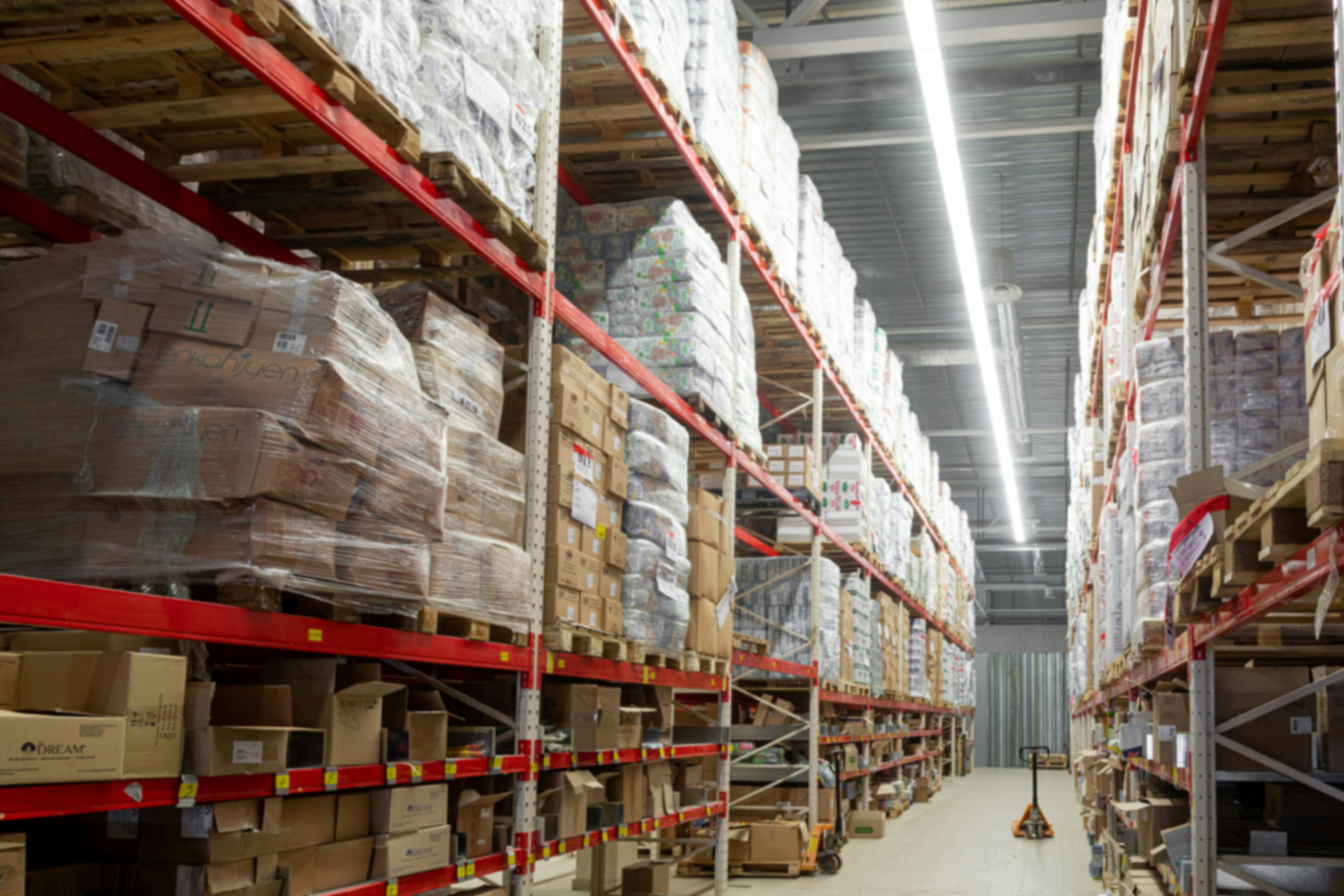
Storage systems can also be designed with sustainability in mind. Choose racks, bins, and pallets that can be reused and repaired rather than disposed of after a single use.
- Reusable plastic crates can replace cardboard boxes and be used repeatedly.
- Pallets made from recycled wood or composite materials last longer and require less maintenance.
- Modular shelving systems make it easy to adapt your warehouse layout as needs change, without discarding existing equipment.
By adopting circular thinking, you reduce both waste and the demand for new raw materials.
Reduce Waste and Packaging
Packaging is one of the largest sources of waste in many warehouses. Consider how you can reduce the amount used and choose more sustainable alternatives.
- Use biodegradable or recyclable stretch film instead of conventional plastic.
- Implement return systems for pallets and crates, allowing them to circulate between suppliers and your warehouse.
- Sort waste effectively, ensuring that as much as possible is recycled.
In India, where waste management infrastructure is improving rapidly, these small changes can have a big impact on both environmental performance and cost savings.
Engage and Train Your Workforce
A green transition works best when everyone in the warehouse is involved. Train employees in sustainable practices and make it easy for them to act responsibly.
Set up clear waste segregation points, run energy-saving campaigns, and reward innovative ideas from staff. Many Indian companies find that employee engagement increases when workers can see the positive results of their efforts.
Measure and Document Your Results
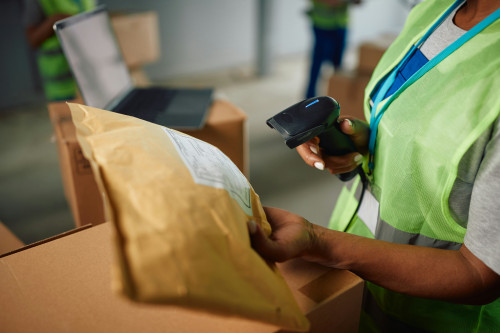
To stay on track and demonstrate progress, it’s important to measure the impact of your green initiatives. Track energy use, waste volumes, and CO₂ savings regularly. This not only motivates your team but also provides valuable documentation for customers and partners.
Consider adopting environmental management standards such as ISO 14001, which can help structure your sustainability efforts and signal responsibility to the market.
Læs også:
Green Logistics Is Good for Business
Making your warehouse greener is not just about environmental responsibility — it’s also smart business. Lower energy consumption, reduced waste, and longer equipment lifespans all translate into lower operating costs. At the same time, more customers — both in India and globally — are demanding sustainable supply chains.
By investing in green logistics, you strengthen your company’s competitiveness while contributing to a cleaner, more sustainable future for India’s growing logistics sector.
Læs også: