Transforming Your Business Premises: A Step-by-Step Guide to Success
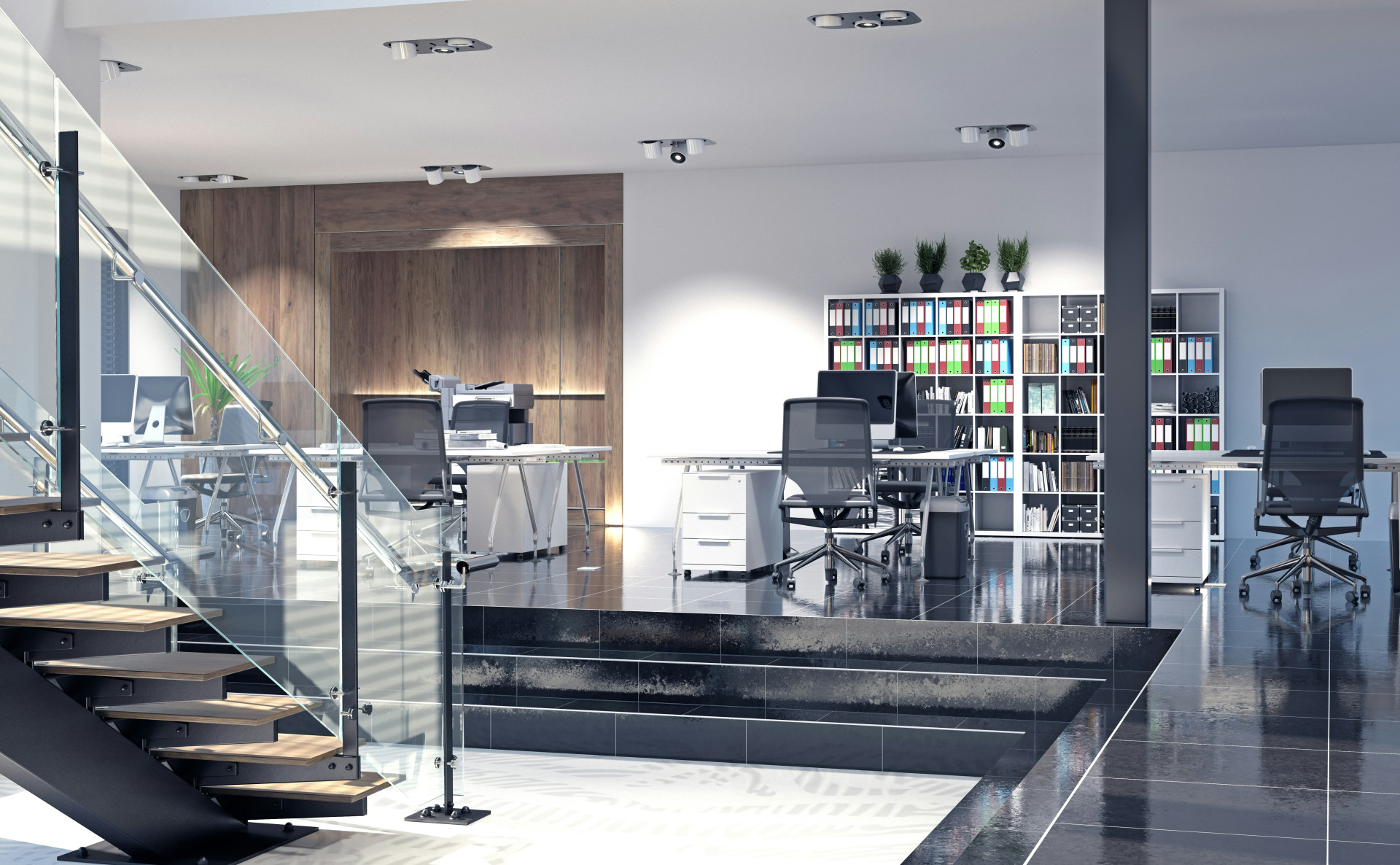
Transforming Your Business Premises: A Step-by-Step Guide to Success
Transforming your business premises can significantly enhance your brand image, improve employee morale, and attract more customers. Whether you’re considering a minor refresh or a complete overhaul, a structured approach ensures a smooth and effective transformation. Here’s a comprehensive step-by-step guide to help you navigate this process.
1. Assess Your Current Space
Before initiating any changes, take time to assess your current premises. Identify what works well and what doesn’t. Engage with employees and customers to gather their feedback. Understanding their perspectives will provide insight into necessary improvements.
Consider aspects such as layout, functionality, accessibility, and aesthetic appeal. This evaluation will serve as the foundation for your transformation plan.
2. Define Your Objectives
Clearly define what you aim to achieve with the transformation. Are you looking to modernize your space, increase productivity, or enhance customer experience? Establishing specific objectives will guide your decisions throughout the process.
Your goals can vary from increasing collaboration among teams, creating a welcoming environment for customers, or improving sustainability practices. Write down these objectives to keep them at the forefront of your planning.
3. Set a Realistic Budget
Once you have a clear understanding of your current space and objectives, it’s time to set a budget. Factor in costs for renovations, furniture, branding, and any professional services you may require.
It’s advisable to include a contingency fund for any unforeseen expenses. Being financially prepared will help you avoid pitfalls as you move forward with your transformation.
4. Create a Design Plan
Develop a design plan that aligns with your objectives and budget. This may involve hiring a professional interior designer, architect, or utilizing design software to visualize your changes. Focus on elements such as layout, color schemes, furniture, and lighting.
Ensure that the design reflects your brand identity and creates a cohesive atmosphere. Consider functionality – the layout should promote workflow and collaboration while being aesthetically pleasing.
5. Get Necessary Approvals
Before commencing any work, check local regulations and ensure you have all necessary permits and approvals. This step is crucial for avoiding legal issues that can arise from unauthorized renovations.
If your transformation involves structural changes, consulting with a licensed contractor could be beneficial. Getting the right approvals will make the entire process smoother and more compliant with regulations.
6. Plan for Disruptions
Renovations can be disruptive to business operations. Plan ahead to minimize impacts on your customers and employees. Consider a timeline that allows you to work during off-hours or weekends to avoid major interruptions.
Communicate openly with your team about the project timeline and what they can expect during renovations. Keeping everyone informed helps maintain morale and ensures a smoother process.
7. Execute the Transformation
Once everything is in place, it’s time to execute your transformation plan. Collaborate closely with contractors and vendors, ensuring that the vision is being executed as intended. Regularly check in on progress and be prepared to make adjustments as needed.
Ensure that all elements of your transformation are completed on schedule and within budget. Quality control is essential at this stage to guarantee that the final result meets your expectations.
8. Celebrate Your New Space
After completing the transformation, it’s important to celebrate your new space. Host a launch event or open house to showcase the changes to employees, clients, and stakeholders. This will not only boost morale but also develop excitement around your transformed premises.
Encourage feedback to assess the impact of the changes and identify areas for further improvement. Your premises should evolve with your business, so remain open to future enhancements.
Transforming your business premises is an investment that can yield significant returns. By following this step-by-step guide, you can navigate the process effectively and create a space that fully supports your business goals.