The truth about surface disinfection: Debunking common myths
The truth about surface disinfection: Debunking common myths
Understanding Surface Disinfection
Surface disinfection refers to the process of cleaning surfaces to eliminate pathogens, such as bacteria and viruses, that can cause illness. In recent years, especially with the onset of the COVID-19 pandemic, there has been a surge in attention surrounding the importance of disinfecting surfaces. However, with this heightened focus comes a plethora of myths and misconceptions that can lead to ineffective practices. Lets explore and debunk some of these common myths about surface disinfection.
Myth 1: All Disinfectants Are the Same
One of the most widespread myths is that all disinfectants work equally well. In reality, disinfectants vary in their chemical composition and effectiveness against different pathogens. Some may be more effective against bacteria, while others might be designed to target viruses or fungi. Its essential to read labels carefully and choose a disinfectant that is proven to eliminate the specific pathogens you are concerned about.
Myth 2: Bleach Is the Best Disinfectant
While bleach is a powerful disinfectant, it is not always the best option for every situation. Bleach can be effective against a range of pathogens, but it is corrosive and can damage certain surfaces. Furthermore, it can release harmful fumes, especially in enclosed spaces. Alternative disinfectants, such as hydrogen peroxide or alcohol-based solutions, may be safer and more suitable for some environments, particularly in homes or offices.
Myth 3: A Quick Wipe Is Enough
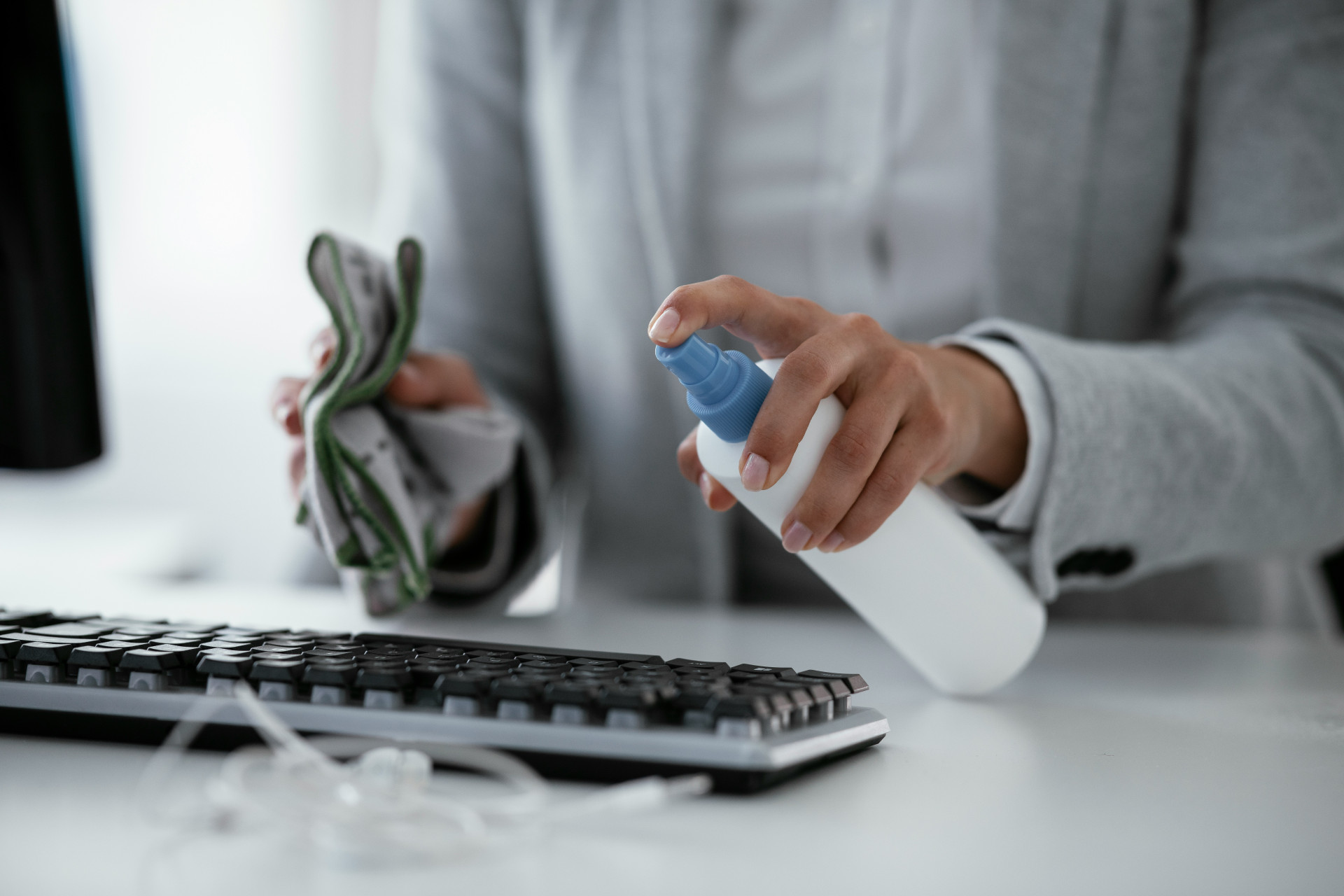
Many people believe that a quick wipe with a disinfectant wipe is sufficient to kill germs. However, for disinfection to be effective, surfaces should be thoroughly cleaned first to remove dirt and organic matter. After cleaning, the disinfectant must remain on the surface for the recommended contact time specified by the manufacturer to ensure that pathogens are effectively eliminated. Short, hasty applications will not yield the desired results.
Myth 4: Disinfecting Is Just About Killing Germs
While the primary goal of disinfecting is to kill harmful microorganisms, the process also plays a crucial role in preventing the spread of infections. Disinfecting surfaces helps create a safe environment, especially in high-traffic areas such as kitchens, bathrooms, and shared spaces. Regular disinfection, combined with proper cleaning practices, can significantly reduce the risk of contagion and contribute to overall public health.
Myth 5: Natural Products Are Always Safer
Many people turn to natural products for disinfection, believing they are always safer and just as effective as chemical disinfectants. However, not all natural products have proven disinfectant properties. For example, vinegar and baking soda are often touted as natural solutions, but they may not effectively kill pathogens. Its important to research and choose natural disinfectants that have been scientifically tested for efficacy.
Myth 6: You Only Need to Disinfect When There’s an Outbreak
Another common misconception is that disinfection is only necessary during outbreaks of illness. In reality, regular disinfection should be part of a routine cleaning schedule. High-touch surfaces, such as doorknobs, light switches, and electronic devices, should be disinfected frequently, regardless of the presence of illness. Consistent disinfection practices help maintain a healthier environment.
Myth 7: Disinfection Is Not Necessary After Vaccination
With the rollout of vaccines for various diseases, some individuals may believe that disinfection protocols can be relaxed. However, vaccination does not negate the need for environmental cleanliness. Vaccines may protect individuals from specific viruses, but they do not eliminate all pathogens from living or workspaces. Continued attention to surface disinfection helps protect those who are unvaccinated or immunocompromised.
Choosing the Right Disinfection Strategy
Determining the right disinfection strategy requires understanding the specific context of your environment. Different settings—like homes, schools, offices, and healthcare facilities—may have unique disinfection needs. Evaluate the surfaces that require disinfection, the potential risks involved, and the appropriate products and methods to ensure effective cleaning.
Always follow the manufacturers instructions on disinfectancy products and remain aware of the evolving guidelines issued by health organizations. Proper education and awareness can combat misconceptions and lead to more effective surface disinfection practices.